
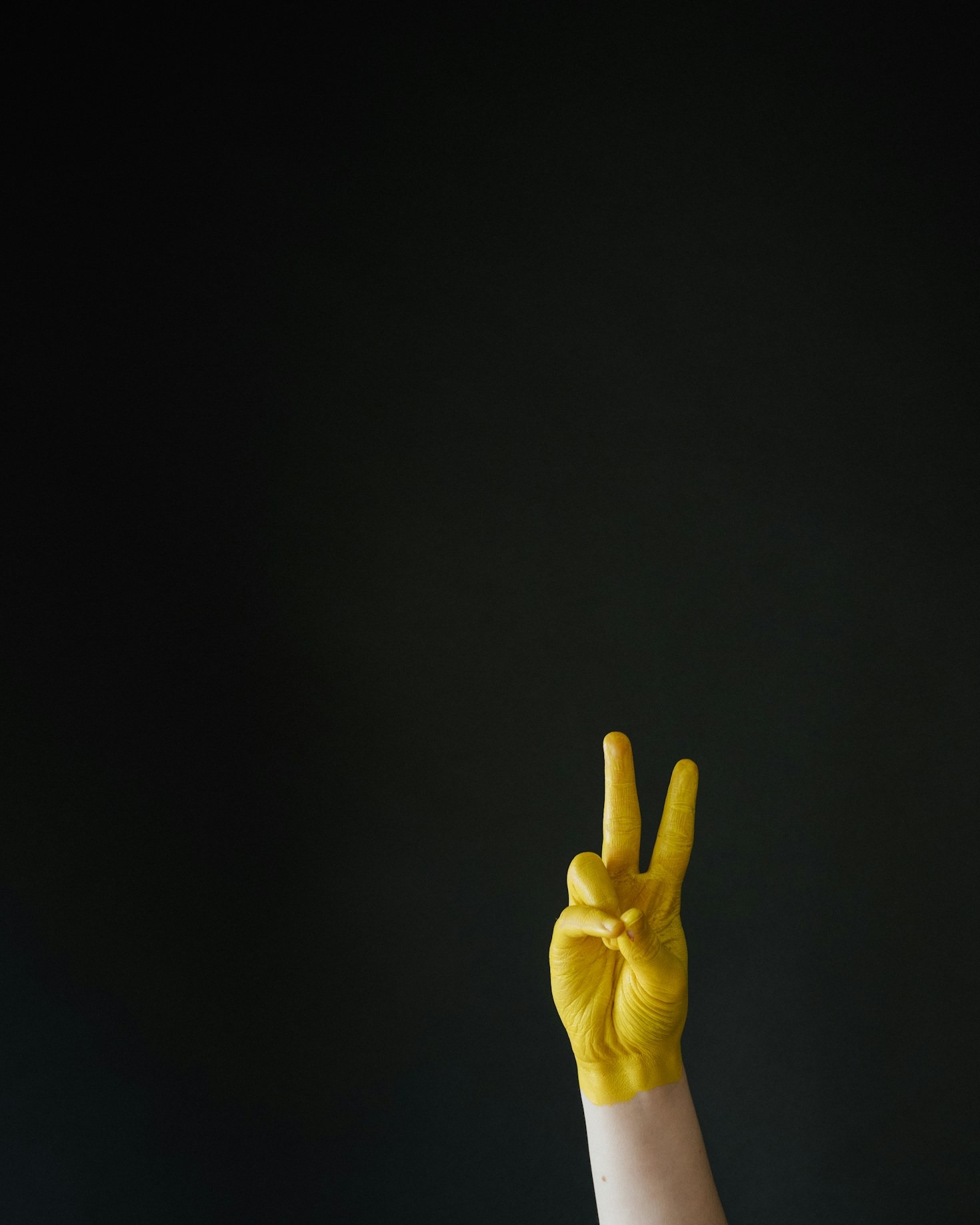
One Game, Many Meanings
Rock paper scissors looks universal at first glance. Three gestures. A quick decision. A winner and a loser. Look closer and the meanings shift depending on where the game is played.
Across cultures, the mechanics stay mostly intact. The interpretation changes. What feels playful in one place feels ritualized in another. What feels trivial in one context carries symbolic weight elsewhere.
Anthropologists pay attention to games for this reason. Games reveal how societies handle conflict, chance, and agreement.
Japan and the Roots of Social Balance
In Japan, rock paper scissors is known as jan ken. Its cultural role goes far beyond childhood play.
Historian Sepp Linhart documented the game’s social use in The Culture of Japan as Seen Through Its Leisure. He noted that jan ken functioned as a socially acceptable way to resolve disputes without direct confrontation.
That function aligns with broader cultural norms that value harmony and indirect resolution.
Japanese television embraced competitive jan ken in the early 2000s. Tournaments aired during prime time. Audiences treated matches seriously. Commentators analyzed player behavior.
Cultural critic Hiroshi Aoyagi explained this acceptance in a university lecture series. “Games that remove hierarchy appeal strongly in group oriented societies,” he said. The quote appears in multiple academic summaries of Japanese leisure culture.
Korea and Competitive Formality
In South Korea, rock paper scissors carries a sharper edge.
The game appears frequently in school settings, often as a way to assign roles or consequences. Losers might clean a classroom or buy snacks. The stakes remain light, but the structure feels formal.
Korean sociologist Kim Hyun Soo described this dynamic in a peer reviewed study on youth culture. He wrote, “Chance based decisions allow authority to remain intact while appearing neutral.” The observation explains why adults endorse the practice.
Competitive scenes also emerged. Matches emphasize timing and psychological pressure. Players treat the ritual seriously.
The brief ritual builds just enough suspense to pull everyone in right up to the reveal. In Korea, that moment often carries social consequence.
Western Cultures and Informal Fairness
In North America and much of Europe, rock paper scissors functions primarily as an informal fairness tool.
Friends use it to avoid awkward negotiations. Parents use it to manage children. Coworkers use it to escape meetings that drag on too long.
Sociologist Erving Goffman never wrote directly about rock paper scissors, but his work on face saving behavior applies cleanly. In Interaction Ritual, he argued that people construct rituals to avoid embarrassment and dominance. The game fits that framework precisely.
Western use emphasizes speed and humor. The game often appears alongside laughter. The outcome matters less than the closure.
Latin America and Playful Authority
In many Latin American countries, the game blends playfulness with hierarchy.
Children use it freely among themselves. Adults often frame it as a teaching tool rather than a neutral decision mechanism. The game reinforces social bonds while acknowledging authority.
Anthropologist Néstor García Canclini wrote about hybrid cultural practices in Hybrid Cultures. He noted that imported games often absorb local norms. Rock paper scissors reflects that process.
It remains playful while signaling who controls the context.
Variations and Symbolic Differences
Not all cultures use the same symbols.
In parts of Southeast Asia, expanded versions include additional gestures such as well or fire. In some regions, chants differ. Timing changes. Eye contact rules shift.
These variations matter. They signal how much emphasis a culture places on ceremony versus outcome.
Anthropologist Claude Lévi-Strauss argued that games act as miniature models of society. Rock paper scissors demonstrates this clearly. The rules adapt. The purpose remains.
Famous Figures and Cultural Commentary
Public figures often comment on the game in ways that reflect cultural background.
Japanese filmmaker Hayao Miyazaki once remarked in an interview that jan ken taught children “how to accept loss without resentment.” The quote appears in a Studio Ghibli retrospective book.
In contrast, American comedian Conan O’Brien joked during a late night segment that rock paper scissors was “the only fair system Americans actually trust.” The humor worked because it felt accurate.
Each comment reveals expectation as much as observation.
When Cultural Context Is Ignored
Problems arise when people assume the game means the same thing everywhere.
In cross cultural workplaces, using rock paper scissors can feel dismissive or inappropriate. What feels fair to one person may feel unserious to another.
The system stops working when participants do not share assumptions. Voluntary participation matters. So does shared meaning.
Cultural misunderstandings often stem from invisible rules. Games make those rules visible.
Why the Game Translates Anyway
Despite differences, rock paper scissors travels well.
It requires no equipment. It ends quickly. It avoids direct confrontation. These traits suit many societies.
Anthropologist Johan Huizinga wrote in Homo Ludens, “Play is older than culture.” Rock paper scissors supports that claim. Cultures shape it. They do not invent its appeal.
A Small Game With Cultural Weight
Rock paper scissors survives across borders because it adapts without losing identity.
The gestures remain familiar. The purpose shifts. The meaning deepens.
In every culture, the game answers the same question. How do we decide without fighting.
The answers differ. The hands look the same.
Three shapes. Many societies. One enduring ritual.